
Law and the Future of Learning
Exploring the legal and policy questions shaping education at the intersection of artificial intelligence, copyright, and educational policy.
The Project on Law and the Future of Learning brings together educators, librarians, researchers, and policymakers to examine how emerging technologies and legal frameworks are reshaping teaching, learning, and knowledge creation.
Project Focus Areas

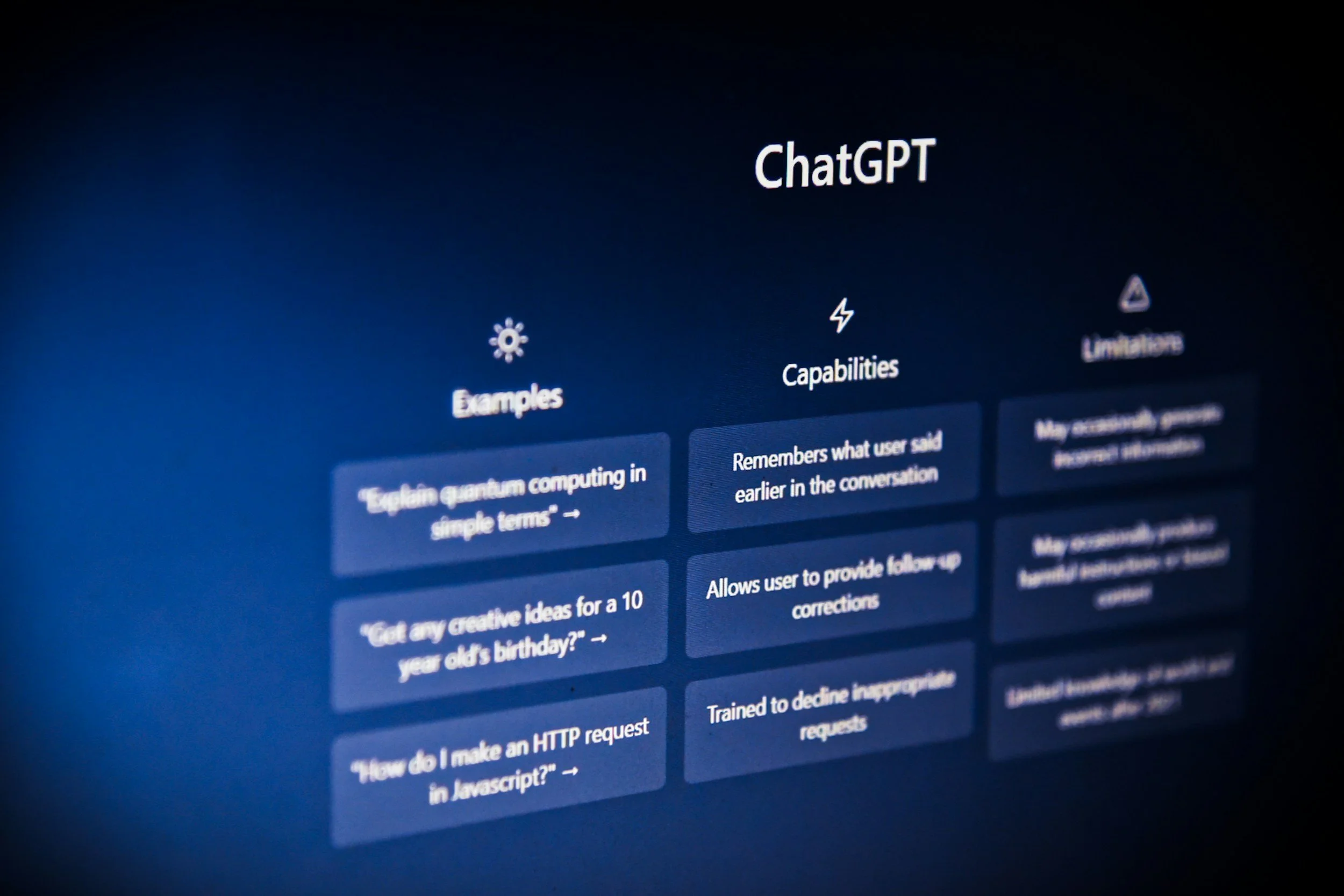
Artificial Intelligence and Learning
Monet is a lifelong educator with a passion for creating accessible, engaging learning experiences. Known for a calm, encouraging teaching style, Monet believes that growth happens when learners feel both challenged and supported.
Copyright and Knowledge Creation
Emmett is a detail-oriented instructor who’s spent the past decade helping people develop new tools, habits, and mindsets. Their approach is clear, practical, and always infused with curiosity and care.

Educational Policy and Regulation
Eleanor's background spans education, coaching, and creative development. With a strong focus on process and progress, Eleanor helps learners move from where they are to where they want to be—one step at a time.

Libraries and Open Knowledge
Monet is a lifelong educator with a passion for creating accessible, engaging learning experiences. Known for a calm, encouraging teaching style, Monet believes that growth happens when learners feel both challenged and supported.
Featured Work
Explore a curated collection of our reports, policy analysis, interviews, bibliographies, and other research outputs produced by the project.
-
DOERS has published a report called Policy Priorities for Generative AI and Open Education, developed through focus groups with educators, administrators, and librarians across North America, offering a framework for how generative AI intersects with open educational resources (OER). The report presents four guiding principles—centering student outcomes, engaging critically with AI, letting pedagogy drive policy, and supporting underserved learners—to help institutions integrate AI responsibly and equitably.
-
The resources featured in our annotated bibliography are authoritative, trustworthy, and have repeatedly come up in our conversations with leaders in the field and educators who are interested in learning more about the current landscape and background on the development of these tools.
-
We conducted in-depth interviews with college and university faculty to explore how educators are integrating AI into their teaching and research, and how they are helping students develop critical perspectives on AI tools and technologies. These conversations examined practical classroom experiences, accessibility considerations, and faculty understanding of the legal and policy landscape—including copyright, open licensing, and attribution—to better understand and respond to the evolving needs of educators and librarians.
-
We surveyed educators, librarians, and education professionals to document the copyright, legal, and policy challenges they face in their daily work—from navigating fair use and licensing terms to understanding the implications of generative AI. Responses are helping us identify the most pressing needs across the education community and guide the development of practical resources to support open educational practices.
Insights & Updates

Collaborate With Us
Organizations partner with the project to explore emerging legal and policy questions shaping education.
Ways to engage:
Commission research or policy analysis
Invite keynote presentations
Partner on convenings
Collaborate on grant-funded initiatives